
Think about how much business now happens inside a chat.
A creator closes a brand deal in Instagram DMs. A freelancer scopes a project over WhatsApp. A micro-shop takes its orders in the comments. A teacher abroad lines up a client through a Telegram message.
The conversation, the negotiation, the relationship: all of it lives on social.
Then it's time to make the payment, and major friction starts.
Now the payee has to share bank details plus account numbers, or a wallet address, plus a chain, plus ask the sender to send a test payment. Sometimes they have to download a new app, do authentication.
It's a hassle.
In the dawn of this stablecoin age, why are we still accepting that the money part is the hard part?
The gap is enormous.
This is one of the largest shifts in how people earn.
The creator economy is now valued at roughly $180-$250 billion in 2026, and most forecasters expect it to pass $1 trillion within the decade.
Underneath that headline number is the part that matters for payments: there are more than 200 million content creators worldwide, and the majority of them are not mega-influencers with management teams. Over half earn under $15,000 a year.
They are the broad base of the pyramid: micro-creators, freelancers, side-hustlers, and ordinary people running small businesses out of their DMs.
And this is just one of thousands of underserved use cases.
Let's widen the lens beyond creators. Add every freelancer with cross-border clients, every person selling through a chat thread, every expat or nomad getting paid for work in a country where they don't hold a local bank account.
This is social-first commerce, and it represents a $100B+ layer of activity happening today on social rails.
So why doesn't your favourite creator accept stablecoin payments?
The experience was built for crypto natives, not for regular people.
To pay someone in stablecoins today, you typically need their wallet address, the right chain, the right asset, and gas. Get one detail wrong, and the money is gone. People have a hard time adopting a checklist with a penalty for failure.
And there is a second problem that turns people off: most stablecoins are public by default. The ledger is open. Anyone who has your address can see what you earn and what you spend.
For a freelancer, that means clients can see what other clients pay. For a creator, it can mean something far more uncomfortable, even unsafe.
We expect privacy in everyday spending. The default for most stablecoins is the opposite.
So we have a paradox. The rails are ready but the 200 million creators and the millions more earning through their DMs, are largely locked out by complexity and exposed by a lack of privacy.
The missing piece is a payment layer built on the rails people are already using: their socials.
When you tap your card at a store, you don't think about the rails. You don't ask which network the merchant is on, you don't paste an account number, you don't worry that the cashier can now see your balance.
You tap, and you go.
The transaction is just as complex but it is hidden. The experience is built around something simple: a card that represents you.
Peer-to-peer payments never got that layer. We are still asking people to be their own payment processors.
That is the layer we are building at HandlPay.
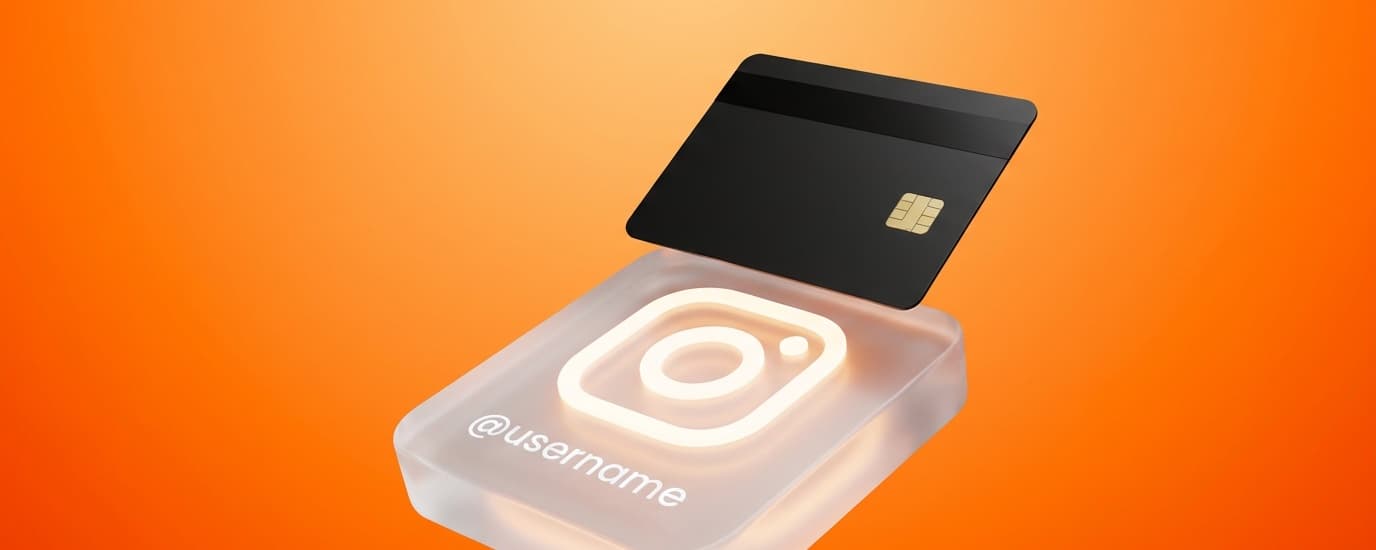
Your social username becomes your payment handle. Someone can pay you the way they would send you a DM. No wallet addresses. No chains to pick. No personal or banking details handed over.
Private by default, because what you earn is nobody else's business. The person paying you doesn't even need an account.
The routing and conversion happen behind the scenes.
We are deliberately not trying to win by being the cheapest or the fastest. That is a race that gets run on the rails, and the rails already exist.
We will win on the thing that has actually been missing this whole time: making getting paid feel as simple as the conversation that led to it, and keeping it private while we're at it.
Where this is going
As of January 2026 we have turned 360,000 social accounts into payment handles and processed more than 2 million transactions, across 7 blockchains, with transaction privacy through Canton Network.
Commerce moved to the DMs years ago. We are building the payments layer to support this behaviour.